» التقنية » OLED Introduction
مقدمة OLED
26/04/2019
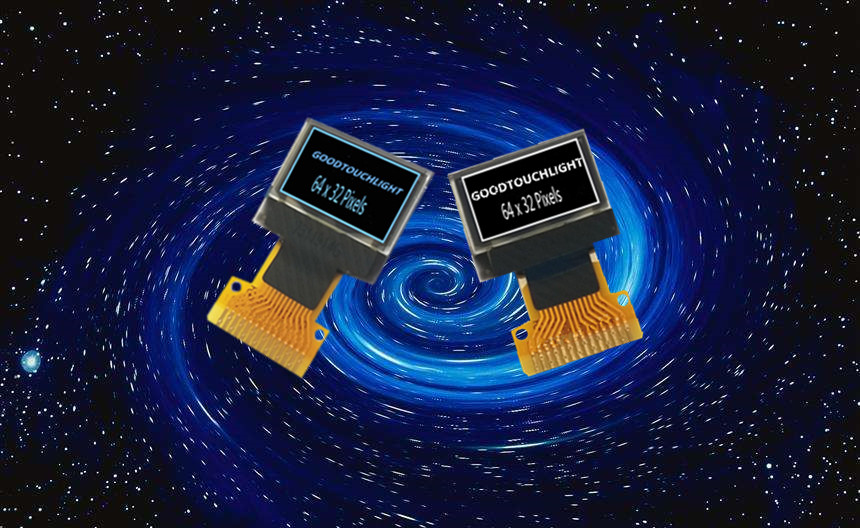
الهيكل الأساسي لـ OLED هو شبه موصل رقيق وشفاف من أكسيد القصدير والانديم (ايتو), متصل بالقطب الموجب للتيار الكهربائي, ومعدن آخر يشكل الكاثود, الذي يلتف في هيكل شبيه بالسندويش. الهيكل كله يشمل: طبقة نقل الشحنات الفراغية (HTL), طبقة التلألؤ (EL) وطبقة نقل الإلكترون (ETL). عندما يكون المزود بالطاقة للجهد المناسب, the positive electrode hole and the cathode charge will combine in the luminous layer, produce brightness, according to the formula of the red, green and blue RGB primary colors, constitute the basic color. OLED is characterized by its own luminescence, the different from TFTLCD which requires backlight, so its visibility and brightness are both high, followed by low voltage demand and high power saving efficiency, coupled with fast response, light weight, thin thickness, simple structure, low cost, etc., it is regarded as one of the most promising products in the 21st century.
The luminescence principle of organic luminescent diodes is similar to that of inorganic luminescent diodes. When the component is subjected to DirectCurrent; When the DC) derived forward bias voltage is added, the external voltage energy will drive the Electron (Electron) and Hole to be injected by the cathode and anode respectively. When the two meet and combine in conduction, the so-called electron-holecapture is formed. When a chemical molecule is excited by external energy, if ElectronSpin and ground state electron pair, it is a Singlet, and the light it emits is called Fluorescence. On the contrary, if the excited state electron and the ground state electron spin are unpaired and parallel, it is called Triplet, and the light released by it is called phosphorescence
When the state of the electronic location by the excited state of high-energy order returned to the steady low order, its energy will respectively by the photon (LightEmission) or thermal energy (HeatDissipation), في أي جزء من الفوتونات يمكن استخدامها كشاشة; الحد النظري لكفاءة الإضاءة لمكونات PM-OLED هو فقط 25%, نظرًا لأن المواد العضوية الفلورية لا يمكنها ملاحظة الفسفرة ثلاثية الحالات في درجة حرارة الغرفة.
مبدأ توهج PM-OLED هو تحويل الطاقة المُطلقة إلى فوتونات باستخدام فرق ترتيب طاقة المادة, حتى نتمكن من اختيار المادة المناسبة كطبقة مضيئة, أو خلط الصبغة في الطبقة المضيئة للحصول على اللون المضيء الذي نحتاجه. بالإضافة إلى ذلك فإن التفاعل العام بين الإلكترونات والفجوات يحدث خلال عشرات النانوثواني (نانوثانية), لذا فإن سرعة استجابة شاشة PM-OLED سريعة جدًا.
الهيكل النموذجي لشاشة PM-OLED. PM-OLED النموذجية على ركيزة زجاجية, ايتو (أكسيد القصدير والإنديوم; أكسيد القصدير والإنديوم) الأنود (الأنود) وطبقة العضوية المضيئة (طبقة المادة المضيئة) والكاثود (الكاثود), من بينهم, الأنود الشفاف الرقيق ITO والكاثود المعدني مثل الساندويتش حيث يتم حشر طبقة العضوية المضيئة بينهما, عند حقن الجهد للفجوات (فجوة) من الأنود والكاثود إلى الإلكترونات (Electron) في الطبقة العضوية المضيئة, تحفيز المادة العضوية وإصدار الضوء.
حالياً, البنية متعددة الطبقات لشاشة PM-OLED ذات كفاءة ضوئية أفضل والمستخدمة على نطاق واسع مطلوبة لإنتاج طبقة حقن الثقافة HoleInjectLayer على ركيزة زجاجية, القطب الموجب والسالب والطبقة العضوية المضيئة. HIL) وطبقة نقل الفجوات HoleTransportLayer. HTL, طبقة النقل الإلكتروني; ETL وطبقة حقن الإلكترونات; EIL) البنية, وطبقة النقل بين القطبين وإعداد طبقة عازلة, لذلك التبخر الحراري (تبخر) صعوبة المعالجة زادت نسبياً, عملية الإنتاج معقدة.
بما أن المواد العضوية والمعادن حساسة جدًا للأكسجين وبخار الماء, فهي بحاجة إلى التعبئة والحماية بعد الإنتاج. PM – OLED مصنوعة من عدة طبقات من الأفلام العضوية الرقيقة, لكن سمك الفيلم العضوي حوالي 1000 ~ 1500 Å (0.10 ~ 0.15 ميكرومتر), لوحة العرض (لوحة) في التعبئة مادة ماصة للرطوبة (مادة ماصة للرطوبة) بعد السماكة الكلية أقل من 200 ميكرومتر (2 مم), ويتمتع بمزايا خفيفة.
ملاحظه: معلومات من FPDisplay الأصلي أو شركاء الوسائط
ربما يعجبك أيضا
حقوق الطبع والنشر ©2004 ضوء جيد المحدودة®
خدمة
سنقدم لك شاشة مثالية